Best Timing for Bird Removal
Timing is crucial for effective bird removal. The optimal period depends on bird species, nesting cycles, and regional climate patterns. Typically, late winter to early spring is ideal, before nesting begins, to prevent birds from establishing nests in unwanted areas.
Birds often start nesting as temperatures rise. Removing nests early in spring can reduce disturbances during breeding.
Preemptive removal during late winter can prevent birds from nesting in protected areas.
After breeding, some species vacate nests, making this a suitable time for removal.
Local climate influences bird activity; consult regional data for precise timing.
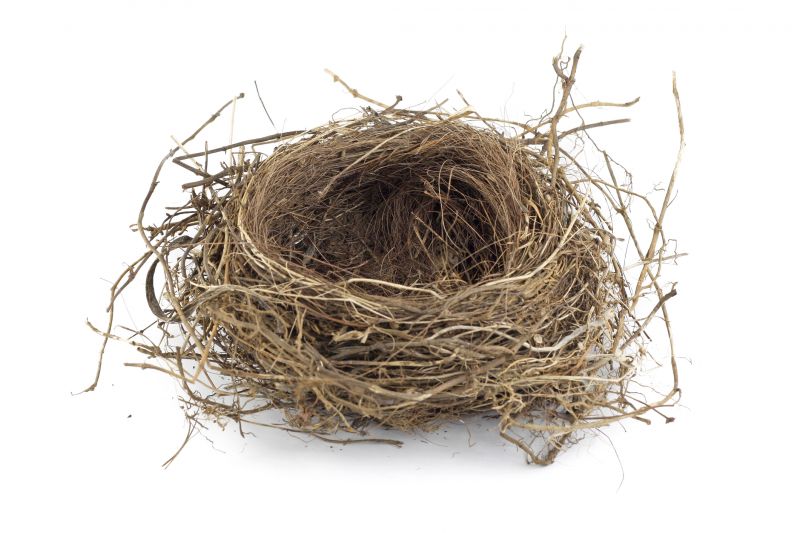
Birds constructing nests in early spring.
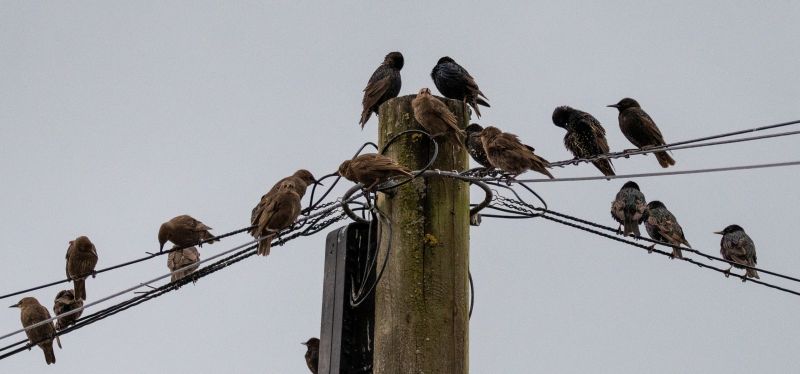
Migration season for common species.
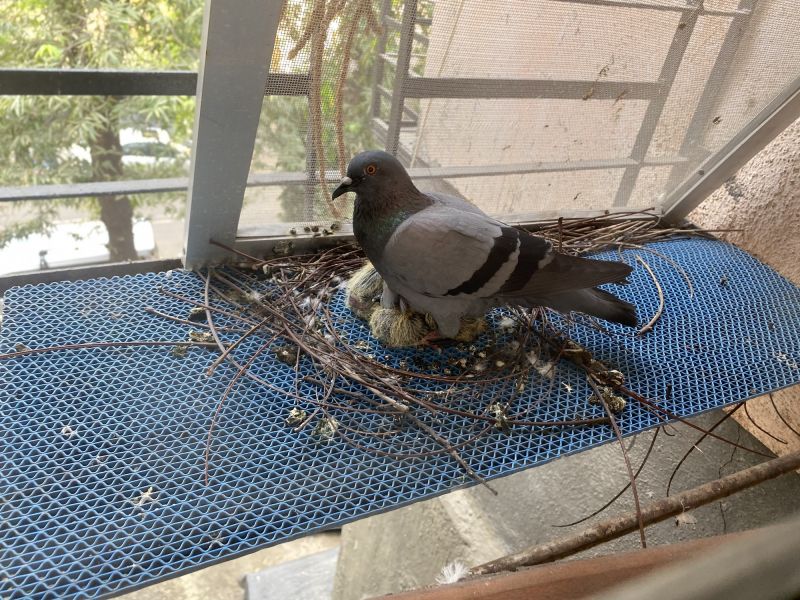
Common nesting locations for urban birds.

Ways to make Bird Removals work in tight or awkward layouts.
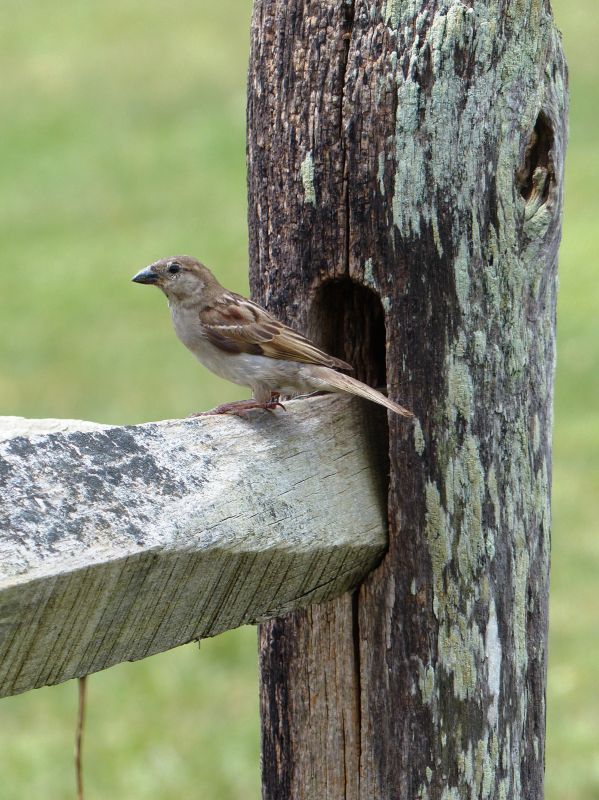
Popular materials for Bird Removals and why they hold up over time.

Simple add-ons that improve Bird Removals without blowing the budget.
| Bird Species | Ideal Removal Time |
|---|---|
| Pigeons | Late winter to early spring |
| Starlings | Post-breeding season |
| Swallows | Before migration begins |
| Seagulls | Pre-nesting period |
| Sparrows | Early spring |
| Crows | Late winter |
| Woodpeckers | Before nesting starts |
Bird removals are most effective when timed to coincide with specific phases of bird activity. Early intervention can prevent nesting and reduce damage caused by bird droppings and nests. Understanding regional bird behaviors and seasonal patterns supports optimal timing for removals.
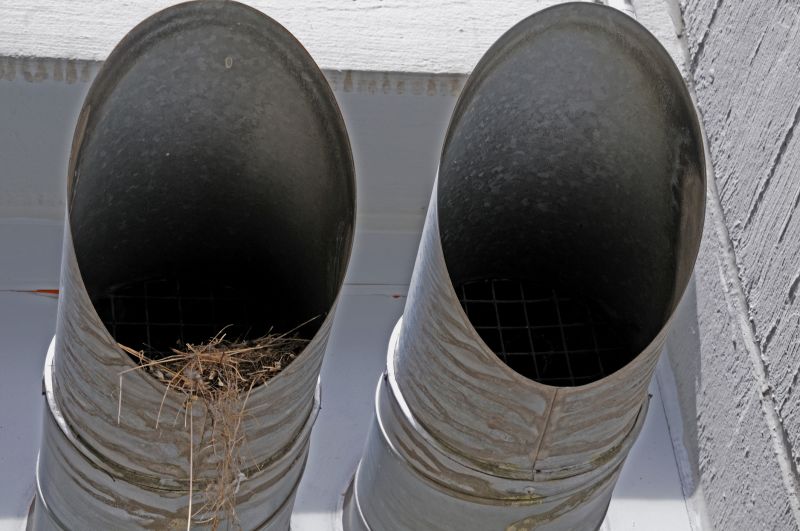
Removing nests before they are occupied.

Monitoring bird migration timings.

Bird presence in city environments.

Installing deterrents before nesting.
Effective bird removal requires careful planning around seasonal behaviors. Timing not only influences success rates but also minimizes impact on local bird populations. Properly scheduled interventions help maintain safe and bird-free environments.
Knowledge of nesting and migration cycles guides timing for removals.
Timely removal reduces structural and property damage caused by nests and droppings.
Scheduling removals appropriately minimizes disturbance to local bird populations.
Timing ensures compliance with regulations protecting certain bird species.
Choosing the right time for bird removals enhances effectiveness and reduces potential conflicts with wildlife. Proper timing aligns with natural bird behaviors, leading to more successful interventions.
Interested in scheduling a bird removal? Fill out the contact form to discuss options and find the best timing for your property.